Home › Projects that sell
Woodworking projects that sell (and how to price them)
Reviewed 30 August 2026 · how we research
Plenty of woodworking sells; the trick is picking projects with fast build times, cheap materials, and repeatable results. Here is what tends to move, and how to price it so the hours are worth it.
What sells reliably
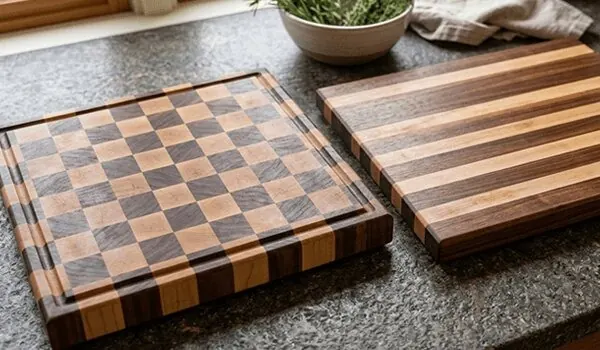
- End-grain and edge-grain cutting boards - low material cost, high perceived value, giftable.
- Charcuterie / serving boards - even quicker; live-edge offcuts work.
- Floating shelves and shelf brackets - steady demand, simple, ship flat.
- Personalised signs - high margin if you have a way to letter them (router, CNC, vinyl, burning).
- Planters and raised beds - seasonal, sell locally, cedar keeps the price up.
- Small furniture - side tables, benches, stools - higher price, slower to sell, needs delivery.
- Toys and puzzles - craft-fair staples around holidays.
Pricing that actually works
A common formula: (materials x 2 or 3) + (shop hours x your target rate), then sanity-check against comparable listings. Beginners routinely underprice by ignoring finishing time, sandpaper, blade wear, failed pieces, and market-stall fees. If a board costs $12 in wood and takes two hours, $30 does not cover it - $60 to $90 is closer once everything is counted.
Where to sell
Local first: craft fairs, farmers' markets, community pages, word of mouth - no shipping, instant feedback on pricing. Online (Etsy, Instagram, a simple site) widens reach but adds fees, photography, and shipping damage risk. Custom commissions pay best per hour but are lumpy.
Ted's Woodworking bundles a short "start a woodworking business" guide - our take on that bonus is here. It is a light primer, not a substitute for testing prices in your own market. For the build side, see starting a woodworking business.
FAQ
What woodworking projects are most profitable?
Small, fast, low-material items with high perceived value: cutting and serving boards, personalised signs, and floating shelves. Furniture pays more per piece but sells slowly.
How do I price handmade woodworking?
Materials multiplied by two or three, plus your shop hours at a target rate, then checked against comparable listings. Include finishing time, consumables, and failed pieces.
Where is the best place to sell woodworking?
Start local, at craft fairs and markets, to test pricing with no shipping. Move online once your products and prices are proven.
What sells best at craft fairs?
Cutting and serving boards, personalised signs, small shelves, and seasonal items like ornaments and toys.
How much can I charge for a cutting board?
Enough to cover materials times two or three plus your shop time. A small board that costs 12 dollars in wood and takes two hours is often 60 to 90 dollars.
Do I need a business licence to sell woodworking?
Once you sell regularly, most areas require registration. Separate your business banking and track expenses from the start.
Should I sell on Etsy or locally first?
Locally first to test pricing with no shipping, then online once your products and prices are proven.
What woodworking is not worth selling?
Large one-off furniture at low prices. It ties up material and time and competes with hobbyists selling at a loss.
How do I photograph products to sell?
Natural light, a plain background, a few angles, and one shot showing scale or use.
How do I stand out from cheaper sellers?
Compete on quality, customisation, and reliability, not price.
More: Woodworking business · Ted's Woodworking bonuses · Furniture plans
Want to see what the bundle includes?
One-time payment advertised at $67, with a 60-day money-back guarantee through ClickBank. Prices and bonuses can change, so confirm them on the official page.
Affiliate link to the seller's own website. We may earn a commission at no extra cost to you.