Home › Woodworking business
Starting a woodworking business, realistically
Reviewed 30 August 2026 · how we research
Turning woodworking into income is very doable as a side business and hard as a sole full-time job. The difference is treating it as a business from day one - pricing, records, and marketing - not just building and hoping.
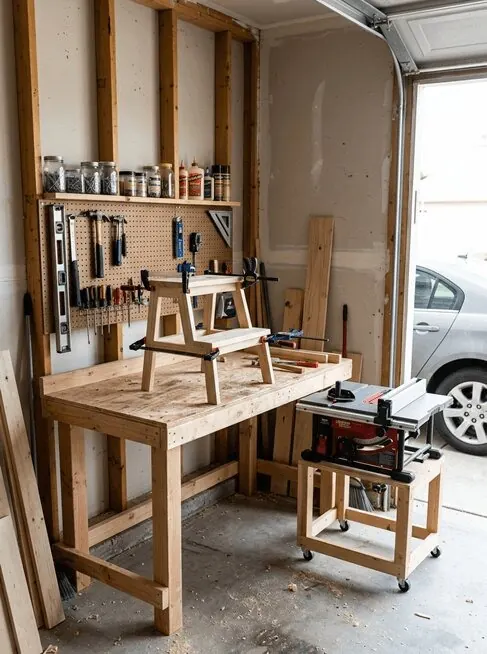
The unglamorous setup
- Register the business as your local rules require, and keep business and personal money separate.
- Track every expense - wood, hardware, blades, finish, booth fees, mileage. It is your real cost base and it is tax-relevant.
- Check whether your area restricts running a workshop or selling from home.
- Carry basic liability insurance once you sell to the public, especially furniture and toys.
Pricing for profit, not for flattery
Use (materials x 2-3) + (hours x target rate) and hold the line. The most common failure mode is pricing to match a hobbyist selling at a loss down the road. You are competing on quality, customisation, and reliability - not on being the cheapest.
Finding customers
Early on: markets, local social media, referrals, and a few strong photos. Repeat buyers and word of mouth do the heavy lifting later. A niche - one product line done very well - is easier to market than "custom anything".
When to scale
Only add tools, space, or help when a specific bottleneck is costing you paid work you have already got. Buying a big machine before the orders exist is how side businesses go backwards.
Realistic income
Part-time, a few hundred to a couple of thousand a month is a common range once pricing is right. Full-time self-employment at a comfortable wage is achievable but usually takes years, a repeatable product line, and often some teaching, content, or wholesale income alongside one-off pieces.
Ted's Woodworking includes a brief business guide as one of its four bonuses - useful as an overview, not a business plan. Pair it with projects that sell to pick a product line.
FAQ
Can you make a living from woodworking?
Part-time income is realistic once pricing is right. A full-time living is achievable but usually takes years, a repeatable product line, and often teaching or wholesale income alongside custom pieces.
Do I need to register a woodworking business?
Follow your local rules; most places require registration once you sell regularly. Separate business banking and expense tracking from day one regardless.
What is the biggest mistake new woodworking businesses make?
Underpricing to match hobbyists who sell at a loss, and buying big equipment before the orders exist to justify it.
How do I find woodworking customers?
Markets, local social media, referrals, and strong photos early on. Repeat buyers and word of mouth carry it later.
Should I do custom work or a product line?
A focused product line is easier to price, market, and scale than 'custom anything'.
When should I buy bigger equipment?
Only when a specific bottleneck is costing you paid work you already have.
How do I price for profit?
Materials times two or three plus your hours at a target rate, held firm against hobbyist pricing.
Do I need insurance?
Basic liability cover once you sell to the public, especially for furniture and toys.
How much can a woodworking side business earn?
Commonly a few hundred to a couple of thousand a month once pricing is right. Full-time takes years and usually a repeatable line.
What records should I keep?
Every expense (wood, hardware, blades, finish, fees, mileage) and every sale. It is your real cost base and it is tax-relevant.
More: Projects that sell · Ted's Woodworking bonuses · Beginner tool kit