Home › For beginners
Ted's Woodworking for beginners: honest take
Reviewed 30 August 2026 · how we research
If you have never built anything, is a 16,000-plan bundle the right place to start? It can be - with realistic expectations. Here is how a beginner actually uses Ted's Woodworking and where it helps or gets in the way.
What a beginner gets out of it
- A beginner-rated tier of plans - simple boxes, shelves, planters, birdhouses - with cutting lists so you are not designing from scratch.
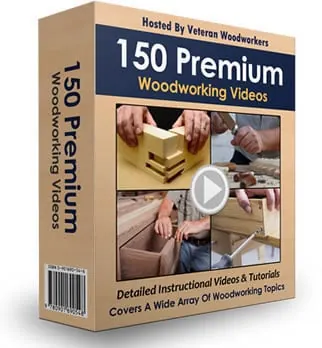
- 150 video classes covering the basics: measuring, sawing, drilling, gluing, finishing. For a beginner this is the most useful part of the package.
- Breadth - once a few small builds go well, there is a clear path up to furniture and outdoor structures without buying anything else.
Where it gets in the way
- Volume is overwhelming. 16,000 entries with no strong curation means a beginner can spend more time browsing than building. Pick one project and ignore the rest.
- Plan quality varies. Some beginner plans are crystal clear; others have gaps a newcomer will not spot. Cross-check the cutting list against the drawing before buying wood.
- No hand-holding. Support is a ticket system, so you are leaning on the videos and free online tutorials when stuck.
How to use it as a beginner
- Start with a simple first project - a cutting board or a small shelf - and watch the matching video first.
- Buy only the basic tool kit you need for that project.
- Build three or four small things before attempting a table or a shed.
- Keep a short list of the plans that were well drawn - those are your "trusted" set.
Is it worth it for a beginner?
At around $67 with a 60-day refund, it is a low-risk way to get a big pile of ideas plus a basic video course. If you would rather have a smaller, guaranteed-quality set, a single beginner book or a handful of paid plans from an established publisher is also a fine route. Read our review for the full picture, and the legitimacy breakdown if you are still unsure.
FAQ
Is Ted's Woodworking good for complete beginners?
It can be. There is a beginner tier of plans with cutting lists and 150 basic video classes. The catch is the volume and uneven plan quality, so pick one project at a time and verify measurements.
Do I need tools before buying?
Only the basics for your first project: a saw, drill, tape, square, clamps, and sandpaper. Do not buy a full shop up front.
Is it worth it for a beginner?
At about 67 dollars with a 60-day refund it is low risk. If you prefer a small, guaranteed-quality set, a beginner book or a few paid plans is a reasonable alternative.
Which project should a beginner build first?
A cutting board or a small shelf: cheap, forgiving, and it teaches measuring, cutting, and finishing.
Are the beginner plans clearly written?
Some are very clear, others have gaps. Cross-check the cutting list against the drawing and use the video classes.
How long until a beginner can build furniture?
After four or five small projects that go well, a simple side table or bookshelf is realistic.
Do I need a workshop?
No. A garage or a corner with a bench, a saw, a drill, clamps, and sandpaper is enough to start.
Is the video course enough to learn from?
The 150 videos cover the basics well. Pair them with free online tutorials when a plan is unclear.
What mistakes do beginners make with the library?
Browsing instead of building, and picking an over-ambitious first project. Choose one simple build and ignore the rest.
Should a beginner buy this or a book instead?
Either works. The bundle is cheap and broad but needs filtering. A beginner book gives a smaller, guaranteed-quality path.
More: Full review · Beginner projects · Beginner tool kit
Want to see what the bundle includes?
One-time payment advertised at $67, with a 60-day money-back guarantee through ClickBank. Prices and bonuses can change, so confirm them on the official page.
Affiliate link to the seller's own website. We may earn a commission at no extra cost to you.